
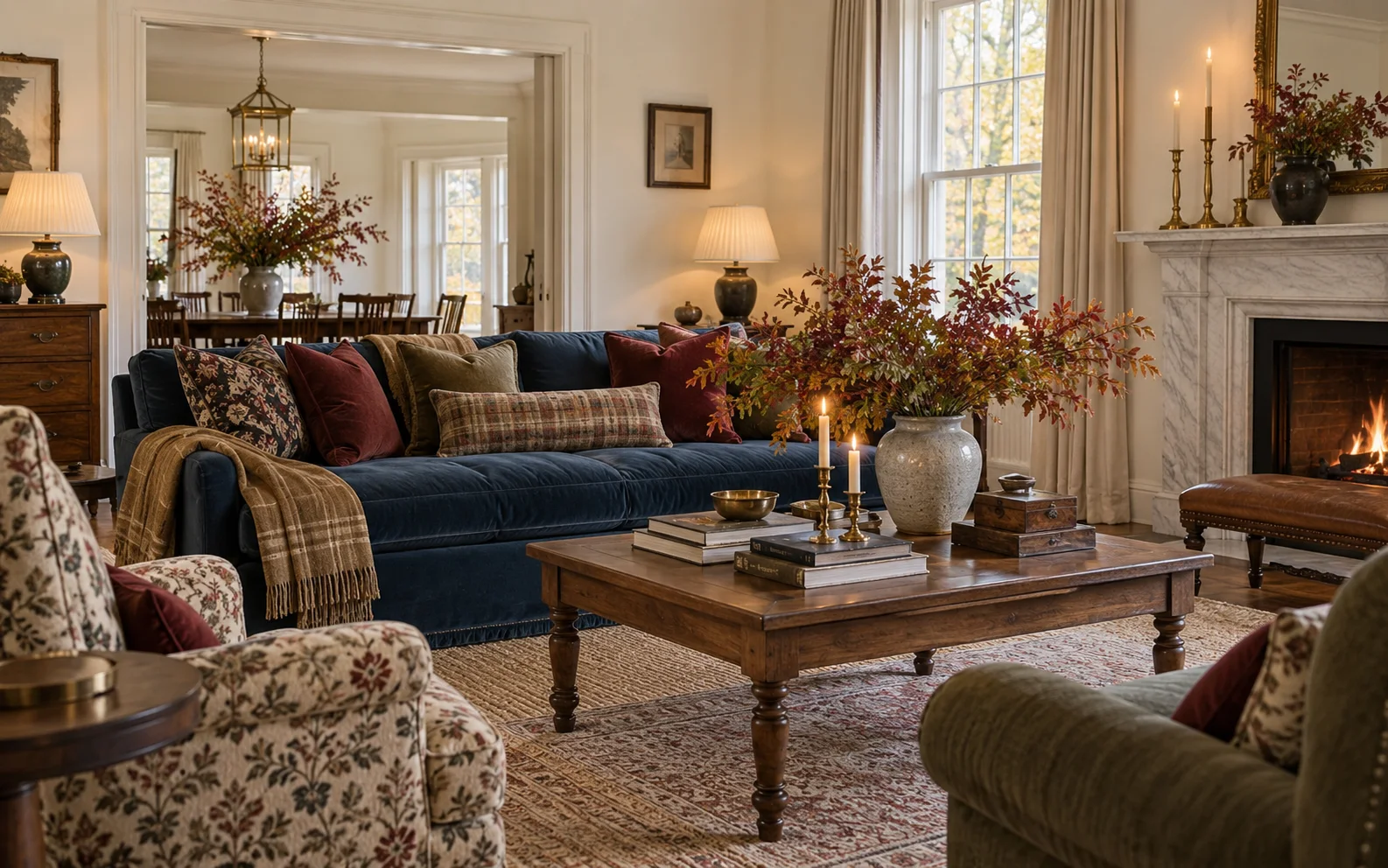
The most timeless fall rooms do not depend on pumpkins on every surface. They feel seasonal because the colors grow richer, the textures grow warmer, and a few natural elements make the change outside visible indoors.
Begin with your existing room. Pull a deeper version of one or two colors already in the palette, then repeat them through a throw, pillow cover, branch, or table linen. The result should feel like your home settling into fall, not a separate decorating theme.
SHOP THE FALL EDIT
Nine pieces for a warm, collected layer
Choose only what fills a real gap. Each selection works with everyday pieces, and several can carry forward into winter.
Shop the full 25-piece Fall Edit →





FIVE EASY SWAPS
A small edit is enough to change the feeling.
Front door
Use one leafy wreath with a beautiful ribbon. Let it carry the message before adding anything else outside.
Textiles
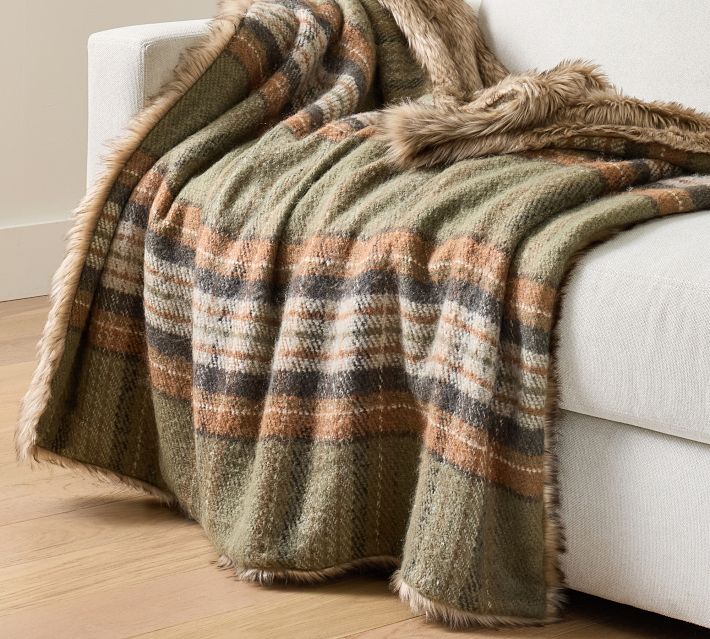
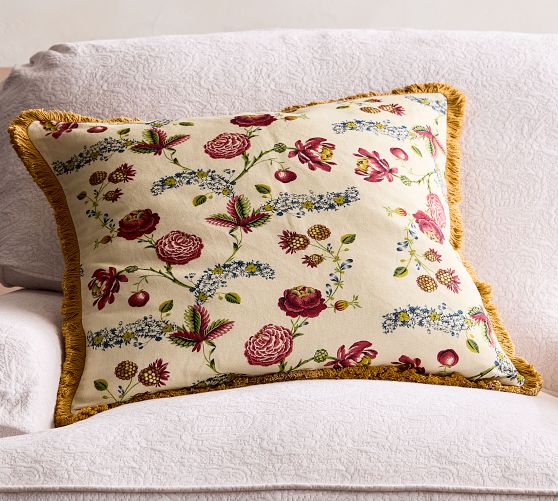
Change the most visible pillow cover and add a plaid or wool throw. Keep the rest of the upholstery familiar.
Table linens
Keep the everyday dishes and switch the napkins or placemats for richer color and pattern.
Natural elements
Arrange one generous branch rather than several small faux arrangements. Scale makes it feel intentional.
Candlelight
Bring out brass or wood candleholders and use warm tapers on the dining table, mantel, or entry console.
ROOM BY ROOM
Focus the fall layers where they will be noticed.
Living room
Add one deeper pillow, a throw within reach, and a branch on the coffee table or mantel. Leave some surfaces quiet.
Dining room
Repeat one fall color in the napkins and candles. A bowl, tureen, or vase you already own can hold clipped foliage.
Kitchen
Keep counters useful. A patterned towel, small bowl of seasonal clippings, or shaded lamp can be enough.
Entry
Use a generous branch, a small tray, and warm light. This is the place for one confident seasonal moment.
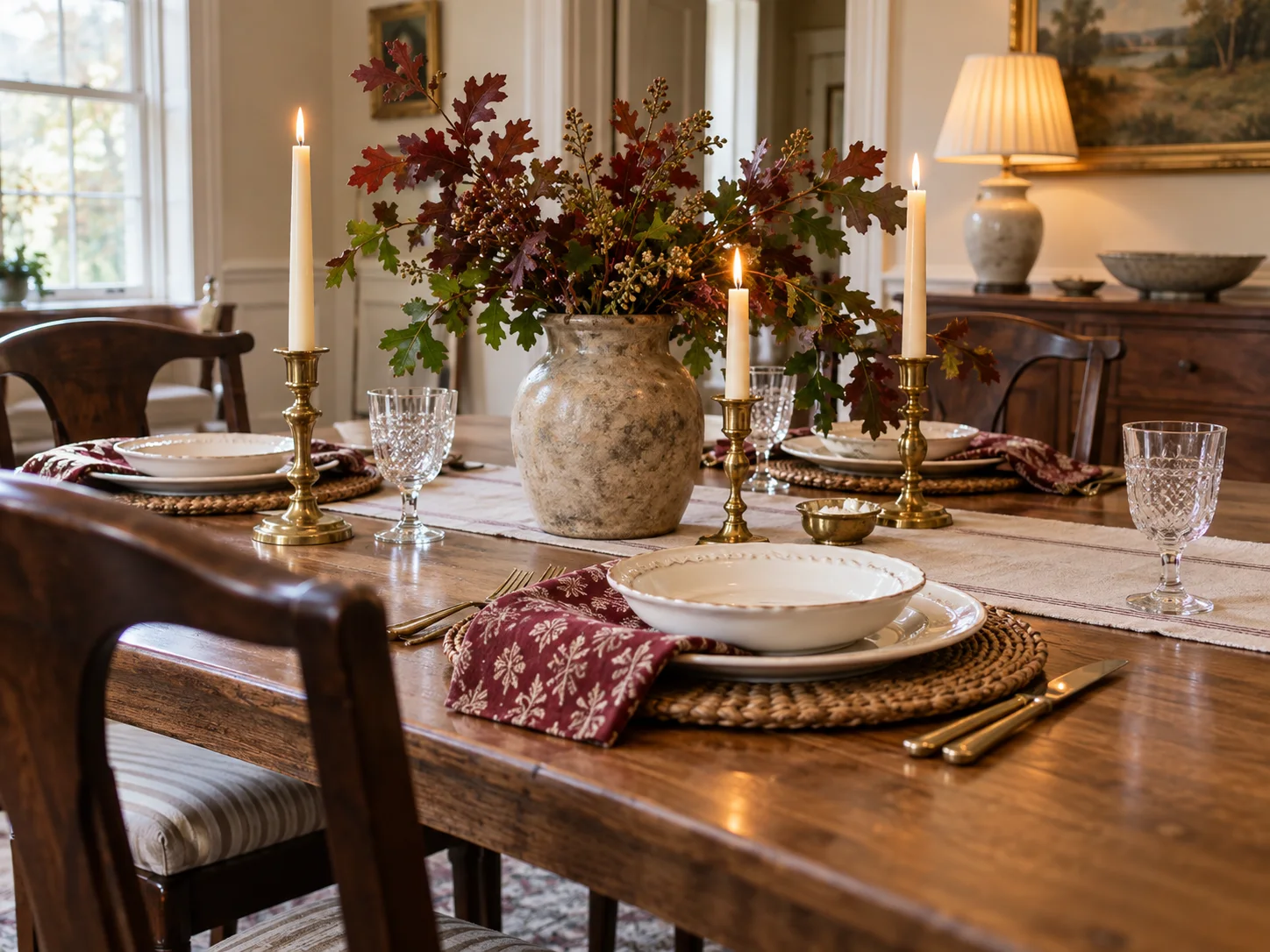
THE FALL TABLE
Keep the dishes. Change the supporting cast.
A fall table does not require seasonal dinnerware. Start with the plates and glassware you use all year, then introduce autumn through napkins, woven placemats, taper candles, and one loose arrangement of branches.
Mixing the familiar with two or three seasonal details makes the table feel welcoming and collected. It also means the linens can do most of the work while the larger investment pieces stay useful year-round.
AN EDITOR’S NOTE
What to skip
- Decorating every open surface
- Buying a complete matched seasonal set
- Using a novelty motif in every room
- Forcing orange into a palette where it does not belong
COMMON QUESTIONS
Fall decorating, answered.
When should I start decorating for fall?
Begin whenever the weather and your routine start to change, often from late August through September. Start with branches and textiles, then add candles and table details as the days grow shorter.
What colors can I use for fall besides orange?
Try oxblood, plum, tobacco brown, moss green, ochre, deep blue, and warm cream. The best palette usually comes from deepening colors that are already present in your room.
How do I decorate for fall on a budget?
Gather branches, move books and pottery into a warmer arrangement, switch only the most visible pillow covers, and use the dishes and candlesticks you already own. One wreath or throw can carry the seasonal message.
How do I keep fall decor from looking too themed?
Limit obvious motifs and repeat a restrained palette through natural foliage, woven texture, plaid, velvet, and candlelight. Leave some surfaces completely unchanged so the room still feels collected over time.
Which fall decorations can transition into winter?
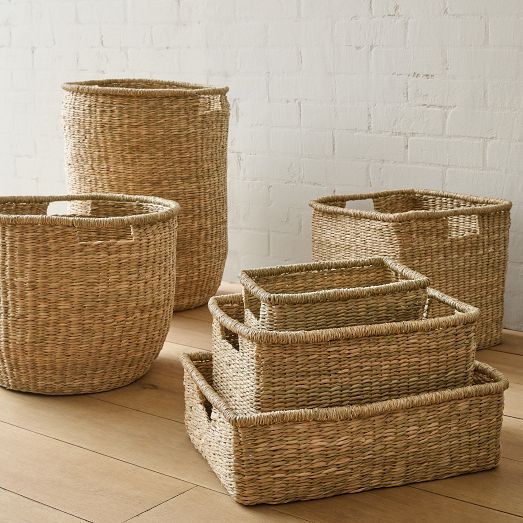
Brass candleholders, dark velvet pillows, wool throws, baskets, green table linens, and bare branches all move easily into winter. Replace autumn foliage with evergreen clippings when the season changes.