The Container Store
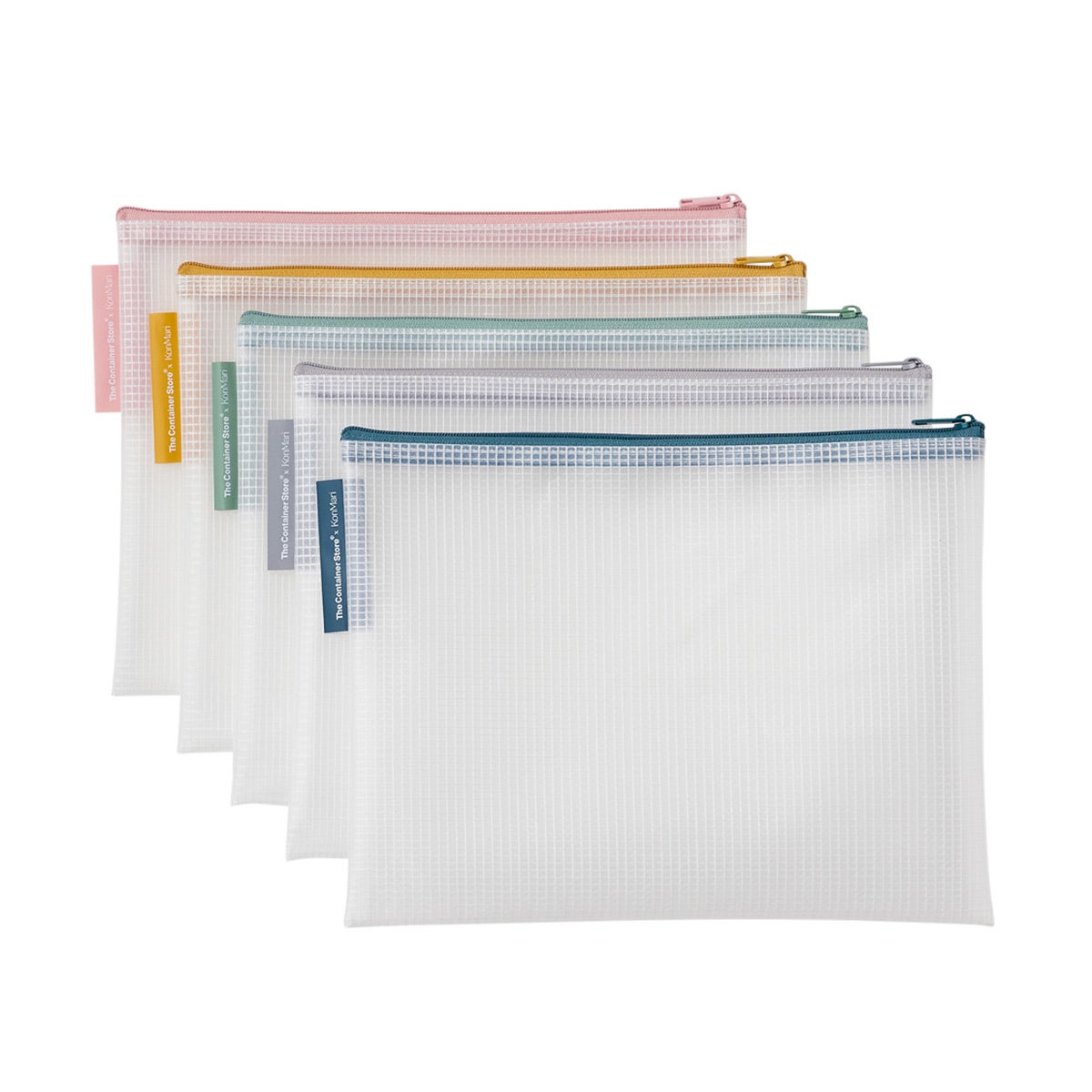
Kawaii Pouches, Pack of 5
Translucent zip pouches for compact games, puzzle pieces and instructions. Available in accessory, letter and legal sizes; choose the size for your contents.
Shop at The Container Store ↗ About
The good games within reach. The little pieces accounted for. A practical, good-looking home for the things you do together.
Shop the storage ↓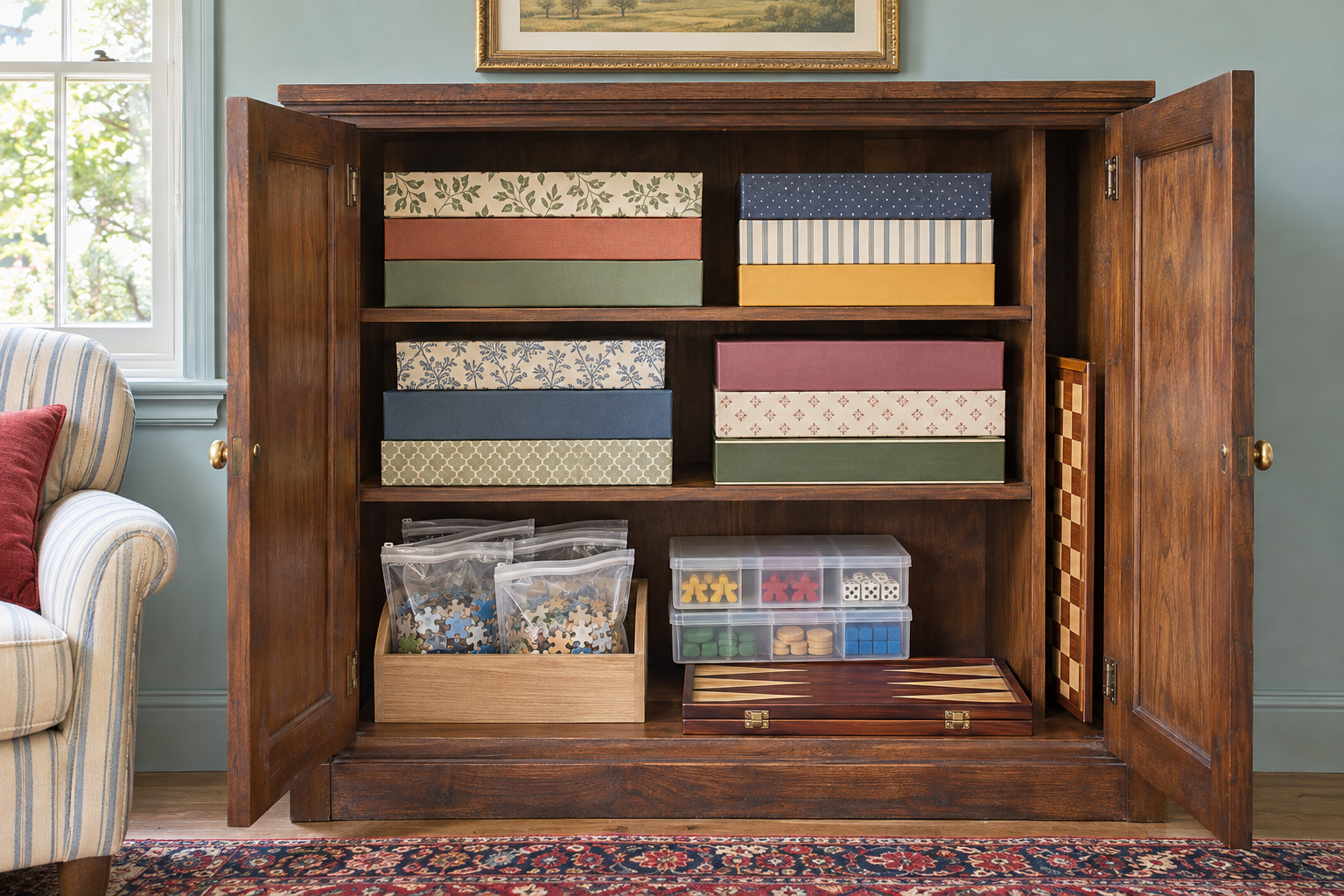
BUY FOR THE THINGS YOU ACTUALLY KEEP
Keep good original boxes. Add pouches and divided cases where they solve a real problem: torn packaging, loose pieces or awkward stacks.
The Container Store
Translucent zip pouches for compact games, puzzle pieces and instructions. Available in accessory, letter and legal sizes; choose the size for your contents.
Shop at The Container Store ↗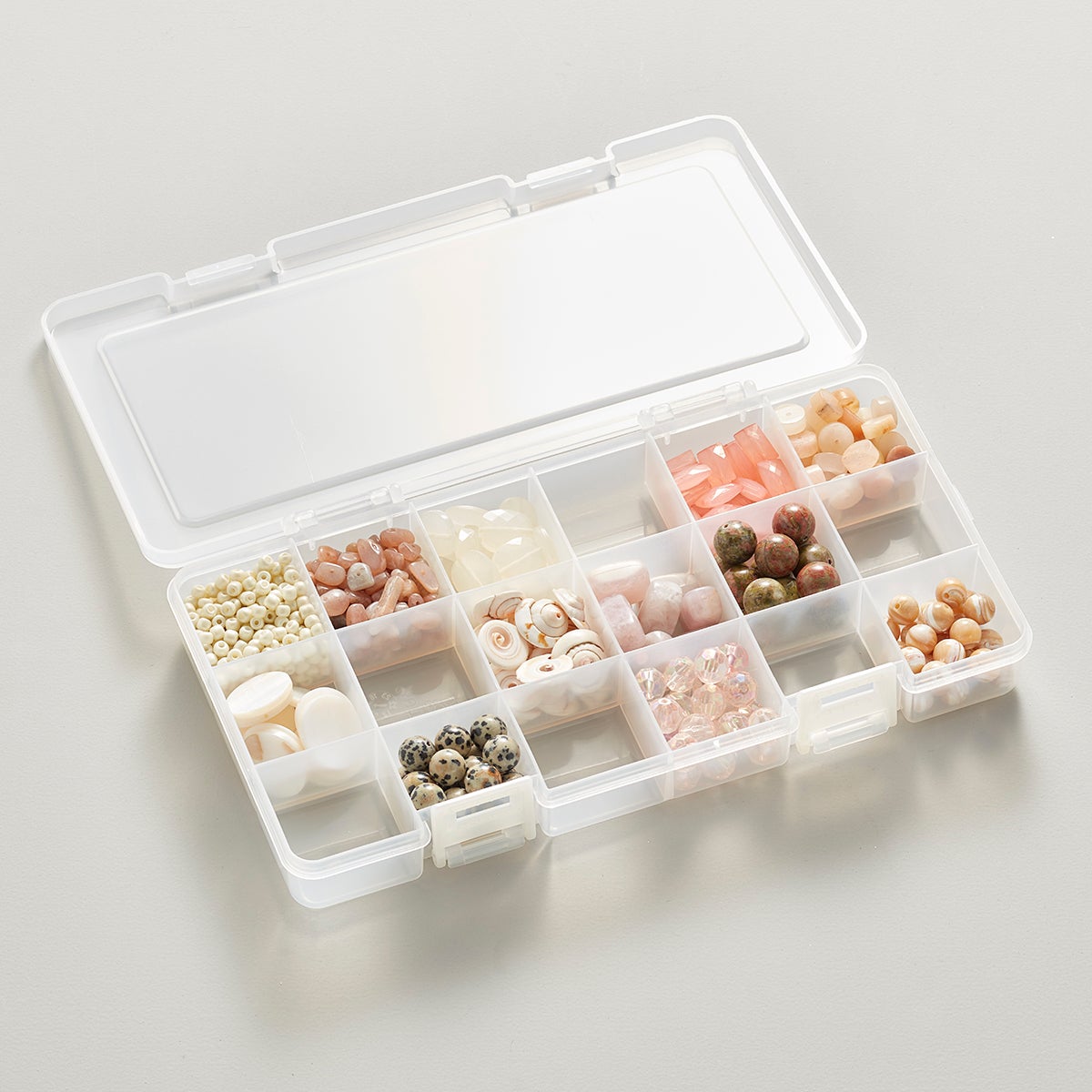
The Container Store
A shallow translucent compartment box for dice, counters and small tokens. Keep one game’s components together and check compartment dimensions before buying.
Shop at The Container Store ↗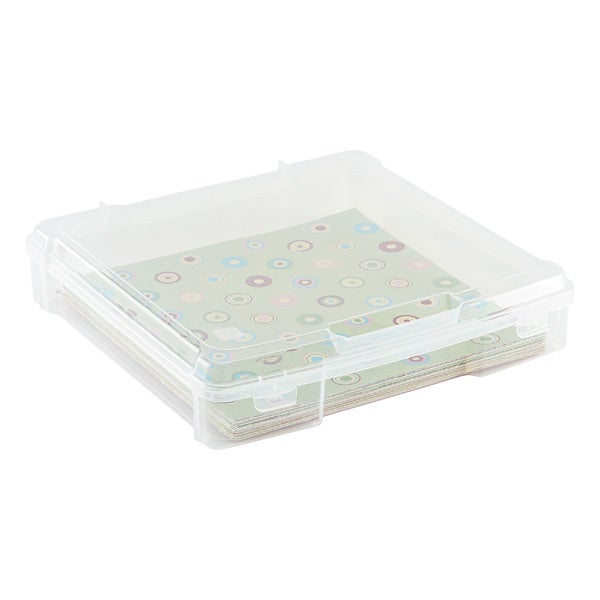
The Container Store · Iris
A rigid clear case for a puzzle or compact game whose board fits. Keep rules and the puzzle reference picture inside; check usable interior dimensions.
Shop at The Container Store ↗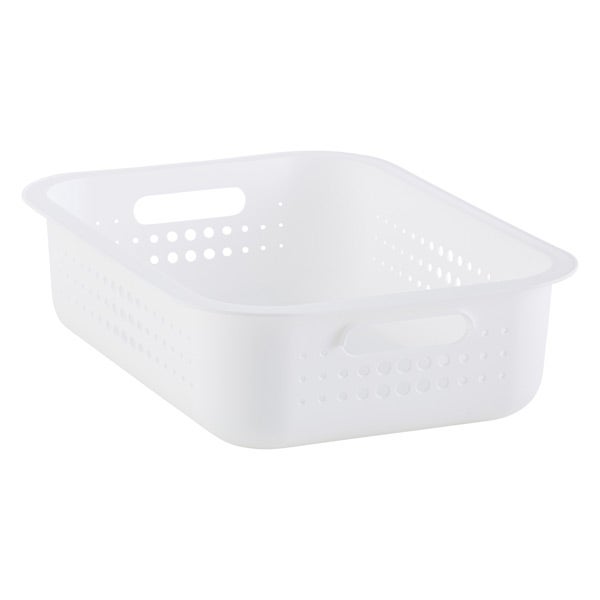
The Container Store · SmartStore
Handled baskets make a useful pull-out home for gift supplies or small games. Choose the size for your shelf; lids are a separate choice.
Shop at The Container Store ↗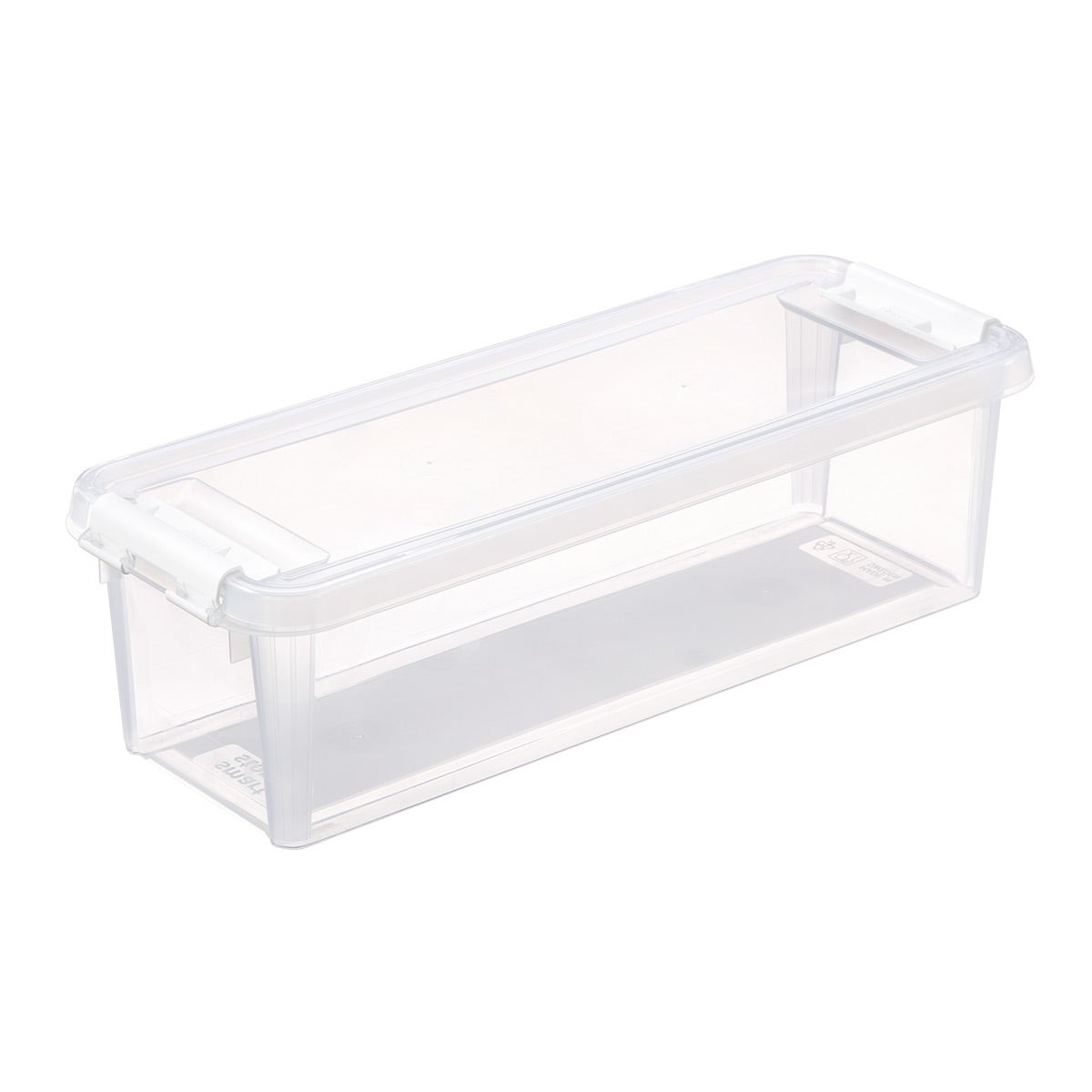
The Container Store · SmartStore
Choose a size for a portable gift-supply kit or a compact game collection. The translucent body keeps contents visible; match any optional inserts to the selected tote.
Shop at The Container Store ↗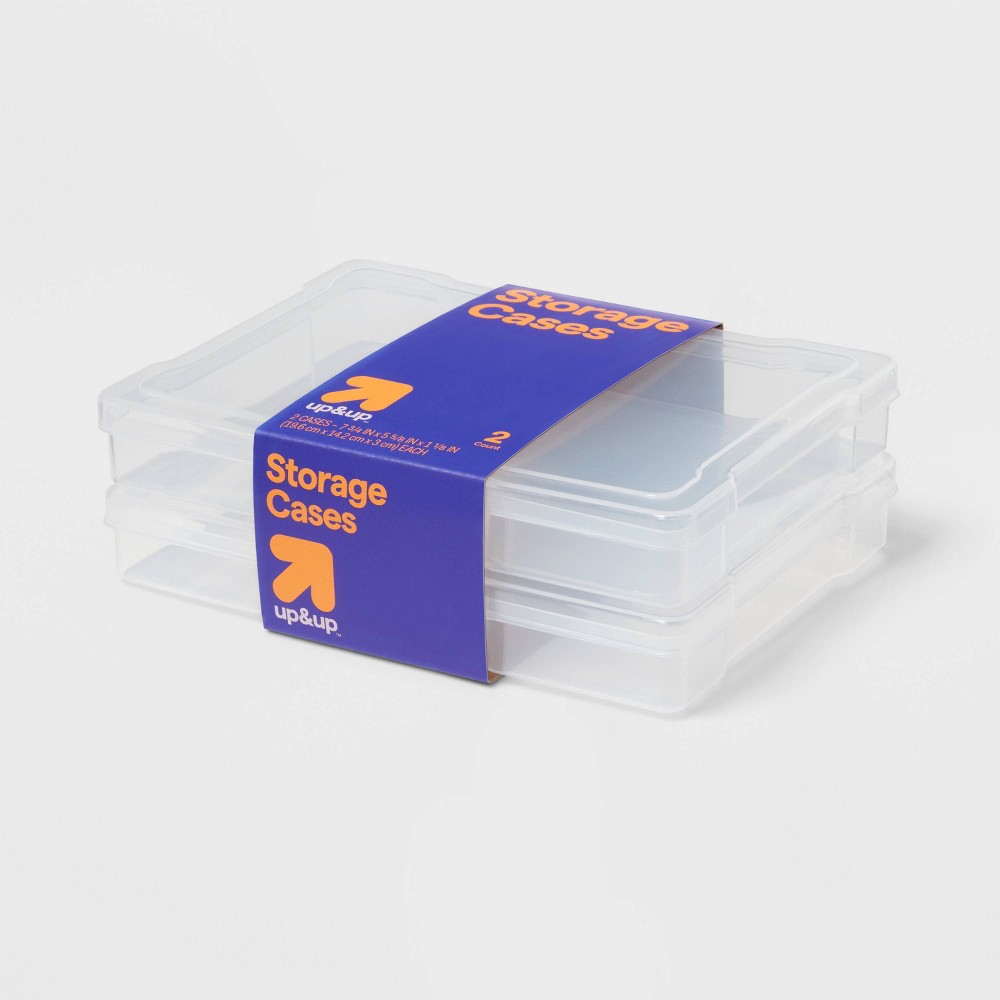
Target · up&up
Clasp-closure cases for cards, counters or travel games. Measure the contents; the 5×7 label does not guarantee every deck or card sleeve fits.
Shop at Target ↗Real product photos from the linked retailers. Check current sizes, contents and availability; styling supplies are not necessarily included.
THE RIGHT CONTAINER FOR EACH GAME
Take everything out and group games by how they are used: quick family favorites, longer games, puzzles, cards and small travel games. Check for missing components before choosing new storage. A beautiful empty container will not fix an incomplete game.
| What you are storing | Usually the best starting point | Before you change containers |
|---|---|---|
| Board games with fitted inserts | The original box, in a short horizontal stack | Keep inserts that hold cards, boards and pieces securely. Put the title where you can read it. |
| Puzzles in damaged or oversized boxes | One labeled zipper pouch per puzzle | Include the complete reference picture and piece count. Keep pieces separate from other puzzles. |
| Card games and compact travel games | A small latching case or grouped bin | Allow room for the whole deck, instructions and any card sleeves. Test one case before buying a set. |
| Games with many counters or tokens | A divided organizer kept with that game | Compare the tallest piece with the compartment depth; close and gently tilt the case to check separation. |
| Large boards and delicate components | Original packaging or a correctly sized rigid case | Do not bend a board or discard a protective insert to make it fit a smaller container. |
01 / A SYSTEM THAT FITS YOUR SPACE
Start by laying out the games you actually play. Keep them in their original boxes when those boxes work well, and make short stacks rather than one tower that has to be dismantled.
Clip-on labels help everyone put things back. Use plain categories your family recognizes, and check that the clips fit your bin rims.
Shop at The Container Store ↗02 / A SYSTEM THAT FITS YOUR SPACE
When a cardboard box is falling apart or mostly empty, a zip pouch can be a useful replacement. Keep one game or puzzle per pouch, including its instructions and reference picture.
A rigid project case can suit a compact game; a small clasp case can contain cards or counters. Measure the contents before buying either.
Shop at The Container Store ↗03 / A SYSTEM THAT FITS YOUR SPACE
Use the full cupboard for a few clear categories: family favorites, puzzles, card games and longer games. Reserve divided cases for games with lots of little components, rather than emptying every game into a shared collection.
Keep small pieces out of reach of children who still mouth objects. Secure furniture according to its manufacturer’s instructions.
Shop at The Container Store ↗THE FIVE-MINUTE RESET
Look for dice, cards and tokens before packing the main box.
Return each set to its own bag, cup or compartment.
Put instructions and reference pictures in before closing the lid.
Make the last step easy enough for everyone who plays to help.
MAKE IT LOOK AT HOME
A walnut cabinet, painted cupboard or existing bookcase can all work. Let the furniture bring the character, and keep the storage inside straightforward. Use a consistent label style and a few matching containers without hiding every game behind decorative packaging.
Check your longest box and largest folded board, then measure the usable shelf depth and door opening.
A tightly packed shelf makes games hard to use. Leave a little room above each stack and beside each bin.
A small selection you enjoy is more useful than a full cupboard nobody opens.
Browse the game-night edit →ROUND OUT YOUR SETUP
Choose rigid cases for contents that need protection, divided cups for components you take out during play, and simple labels for shared bins. You do not need every option.
The Container Store
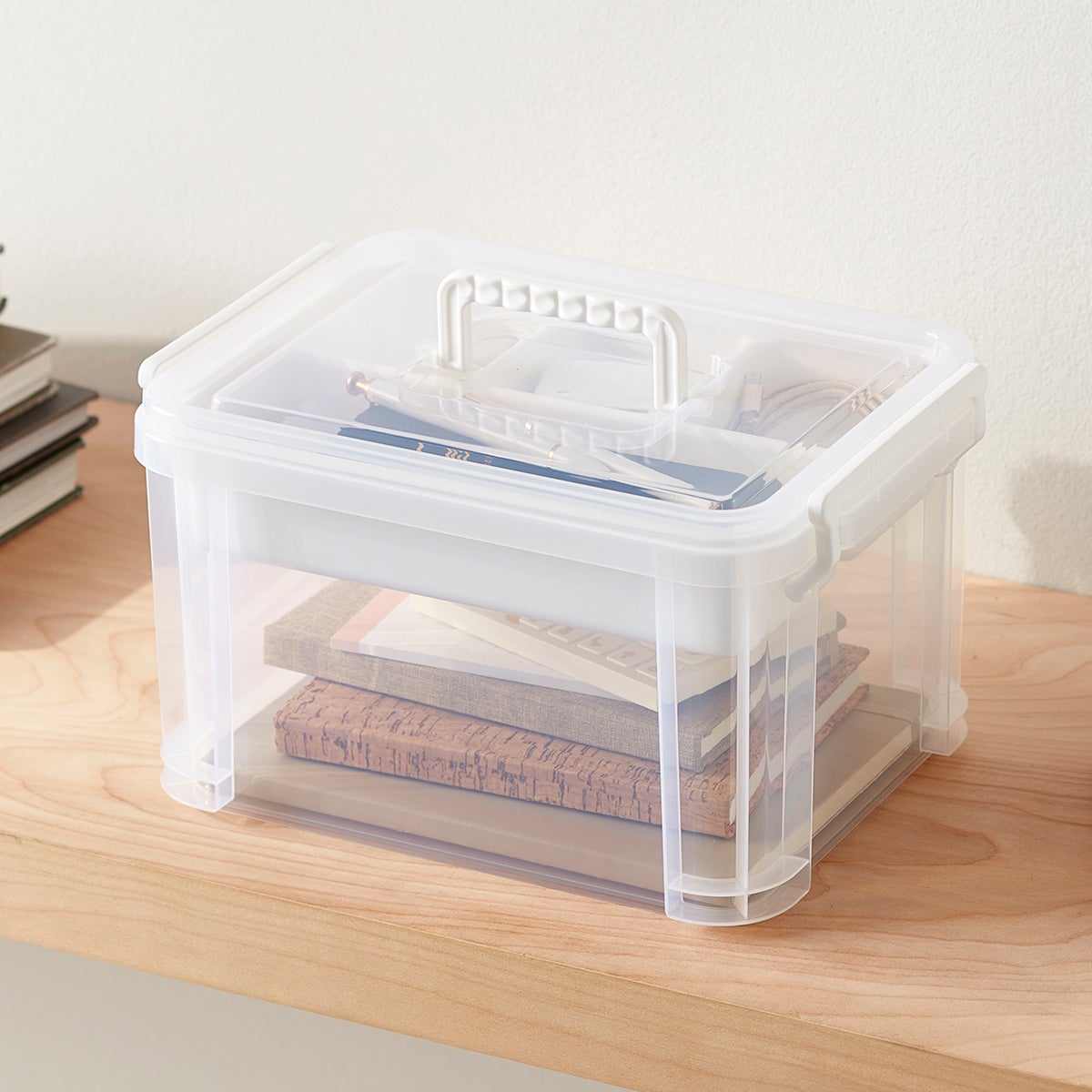
A handled tote with secure latches and a removable accessory tray. Use it for tape, tags and tools, or a portable collection of small games.
Shop at The Container Store ↗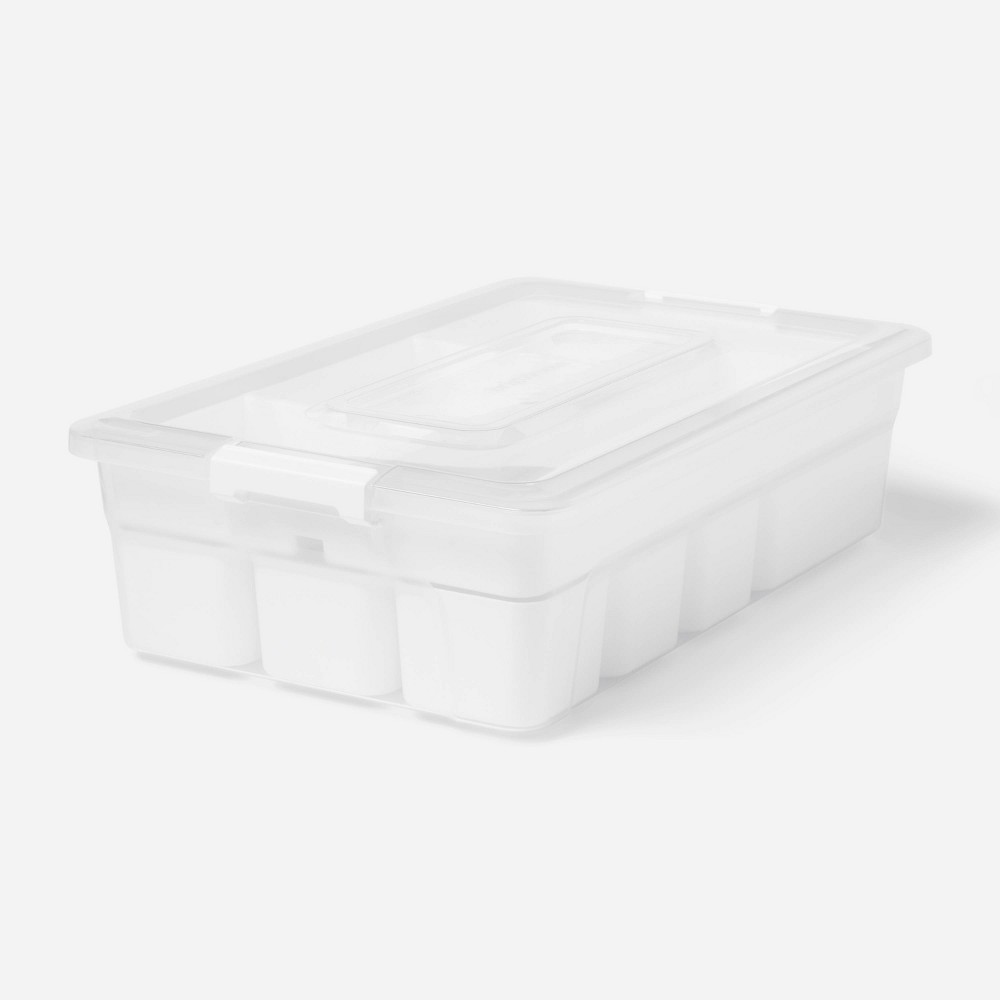
Target · Brightroom
A clear lidded case with separate shallow cups for dice, counters and small game pieces. Keep pieces grouped by game.
Shop at Target ↗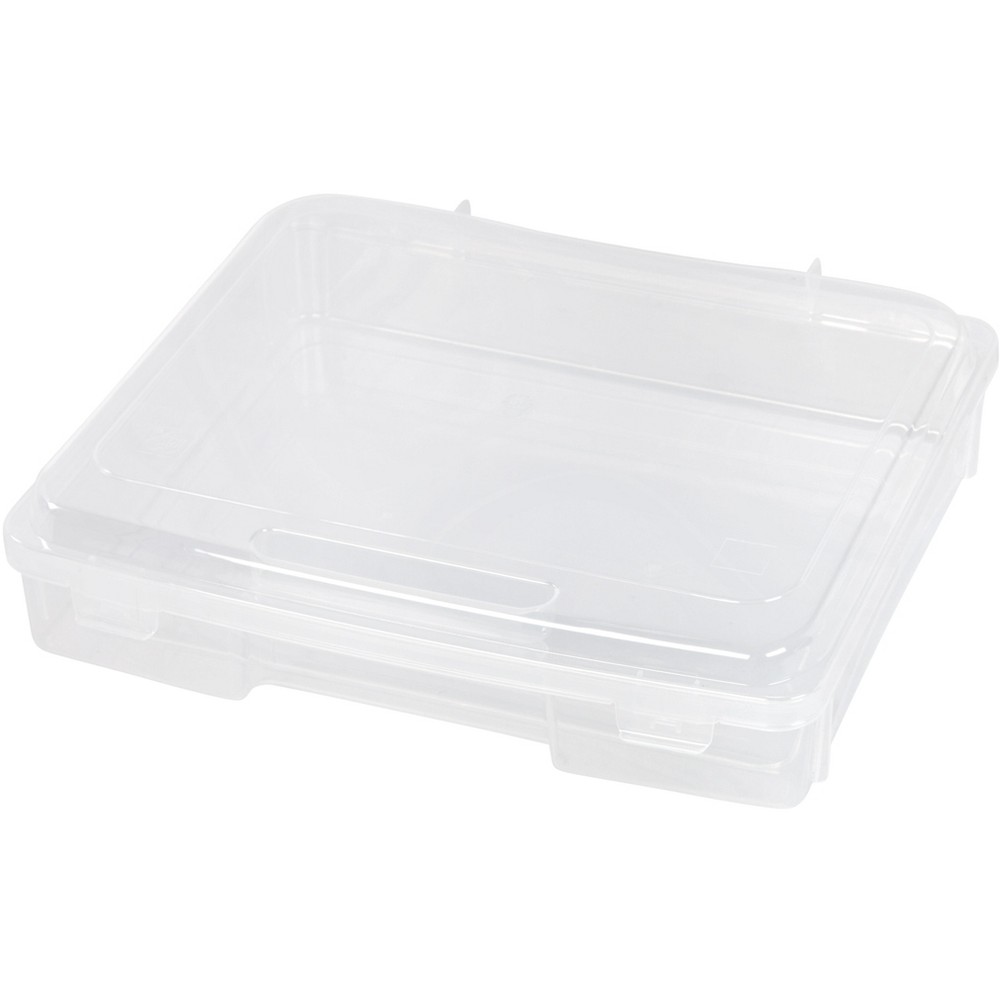
Target · IRIS
Clear rigid case with snap-tight latches for a compact game or puzzle. Fits 8.5×11-inch paper; check the folded game board and contents before replacing its box.
Shop at Target ↗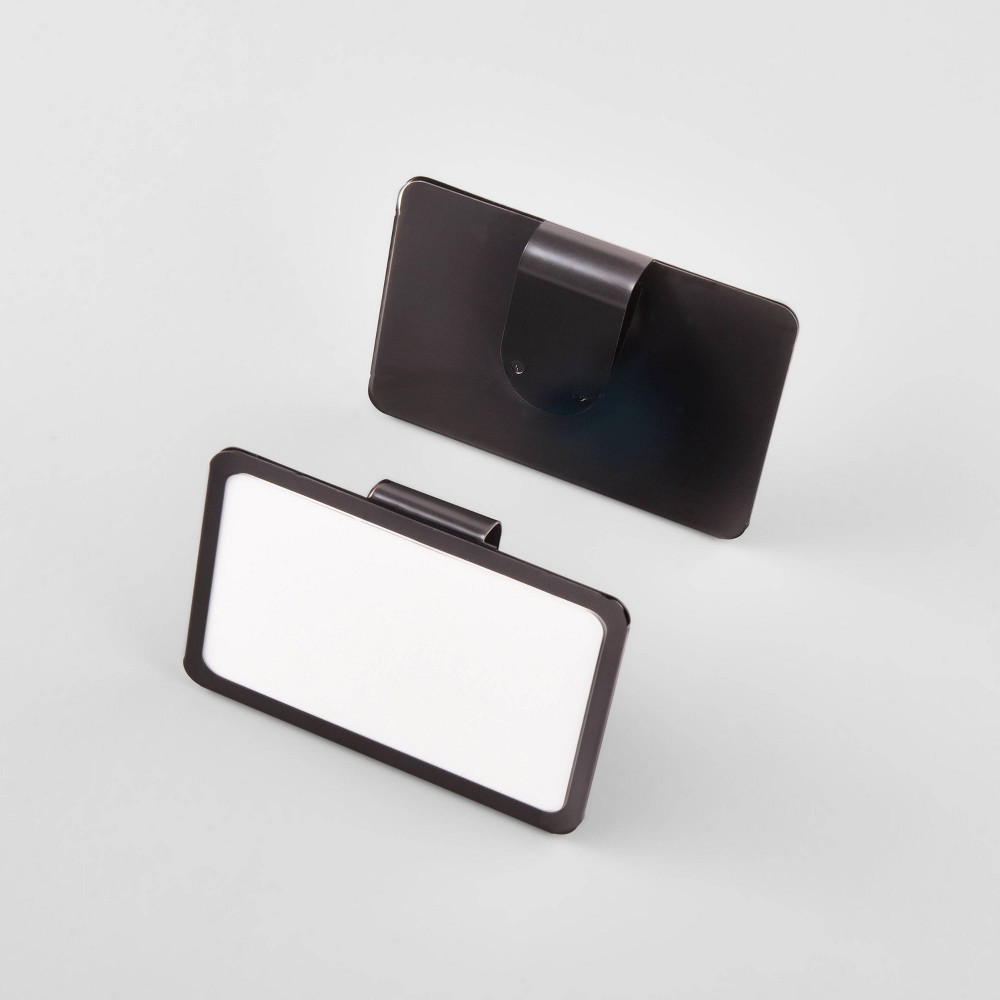
Target · Brightroom
Metal frames hold changeable paper labels and clip onto most containers. Label bins by game type so everyone knows where things go.
Shop at Target ↗GIVE THE CUPBOARD A CLEAR LAYOUT
Put the games your family chooses most often where players can see and reach them. Keep box titles facing out. Two or three boxes per stack are easier to manage than a tall pile; adjust to the size and weight of your games.
File labeled puzzle pouches in a bin with enough space to flip through them. Keep puzzles with bulky or delicate pieces in suitable rigid packaging. Store an unfinished puzzle on a separate surface or board that fits it.
Keep compact games together in one pull-out bin. Store each deck in its own case or box, with instructions tucked alongside it. Put the name on the end you will actually see on the shelf.
Use a separate shelf for long games, complex sets and fragile pieces. Put the player count or approximate play time on a removable shelf label if that helps your family decide what to play.
Keep a small, age-appropriate selection within reach and rotate it when interests change. Use picture labels for younger children. Small-piece games need storage appropriate to the youngest children who can access the room.
Give games waiting for a missing piece or repair a clearly marked temporary place. Check under furniture and in other game boxes, then decide whether to replace the component, adapt play or retire the game.
Use one simple label style: the game’s name on individual containers, and broad categories on shared bins. Put labels on the front edge rather than only on top. A small cream card in a clip is often enough; the labels should be readable while everything is still on the shelf.
Try your new system with one frequently played game and one puzzle. Use them for a week. If the lid is awkward, the pouch too full or the bin too heavy, adjust before transferring the rest of the cupboard. The best storage is easy to put away after the game, not just attractive on the first day.
Only when the replacement solves a problem. Original boxes keep boards, rules and pieces together and make games easy to recognize. A pouch is better suited to a compact game or a puzzle than a large rigid board.
Only when the contents stay secure. Bag loose pieces inside first, then test one box. Keep heavy games flat in short stacks if standing them on edge spills pieces or bends the box.
Keep the puzzle name, piece count and a clear reference picture with each set. Use one labeled pouch per puzzle and confirm all pieces are present before changing containers.
The opening room image is an illustrative styling concept, not an exact product installation. Product photographs show the actual linked storage pieces.